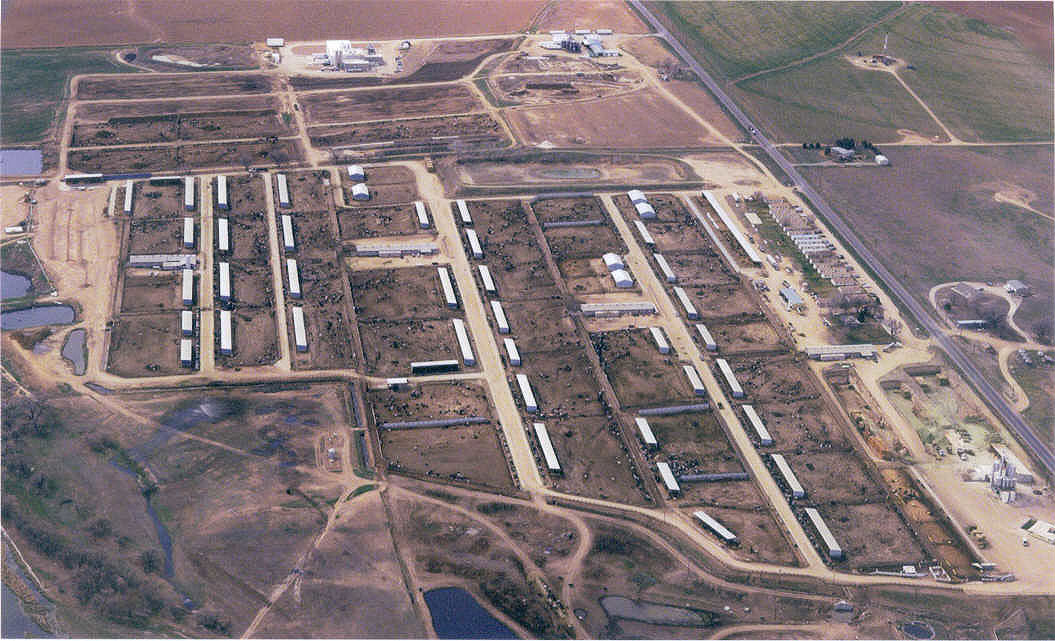
(From Food Democracy Now)
On January 17, internationally recognized plant pathologist Dr. Don Huber, wrote a letter to USDA Secretary Tom Vilsack warning of the discovery of a new pathogen and a possible link between Roundup Ready® (GMO) corn and soybeans and severe reproductive problems in livestock as well as widespread crop failure.
Less than 3 weeks later, the Obama administration approved 2 new Roundup Ready® GMO crops, set to be planted this spring... Read on about Dr. Huber's discovery. If it gives you pause, sign the petition to ask Sec. Vilsack to stop these seeds from being planted until further research is done.
In 2010, more than 365 million acres were planted worldwide with genetically engineered (GMO) seeds.
The U.S. leads the world with more than 165 million acres of GMO crops, mostly Roundup Ready® crops.
Monsanto owns patents on the genes of more than 93% of soybeans, 80% of corn, and 95% of sugar beets planted in the U.S. -- all genetically modified to be resistant to the weed killer Roundup.
In 2007, more than 185,000,000 lbs. of Roundup were applied to U.S. crops, the year the Bush administration halted reporting of the herbicide's application rates.
In 1992, U.S. Vice President Dan Quayle announced that GMO foods would not be "hampered by unnecessary regulation", freeing Monsanto of the burden of independent testing or labeling of GMO foods for the American public.
Are you eating GMOs?
Dr. Huber Explains Science Behind New Organism and Threat from Monsanto's Roundup, GMOs to Disease and Infertility from Food Democracy Now! on Vimeo.


 (4) Sustainable as a word gets put in the same bucket as “green” and “eco” for me. It’s like the hackneyed photo of the human hands holding soil and teensy weensy seedling. They are overused, examples of greenwashing and mean many different things to many different people. Technically, it means something that can be continued…what?…. indefinitely? As one of my students said recently, even “dysfunction can be continued indefinitely.” So, is that sustainable? I don’t have the new definition, so I use the word very sparingly and ask others what they mean when they use it.
 And, while this is all very conceptual, one of the powerful things about permaculture is that it tends to attract real roll-up-your-sleeves and let’s-get-this-done kind of people. We do spend time thinking through design and learning new ways of working with and in the world, but almost to a one, permaculturists are actively changing the way we live, right now, starting at our own doorsteps and working out from there.


 .)
.)